Five Pillars of GXON
Grain Drying Technology
Engineered to protect grain quality, adapt to any fuel and climate, and run unattended — five core technologies that define how a GXON dryer performs in the field.
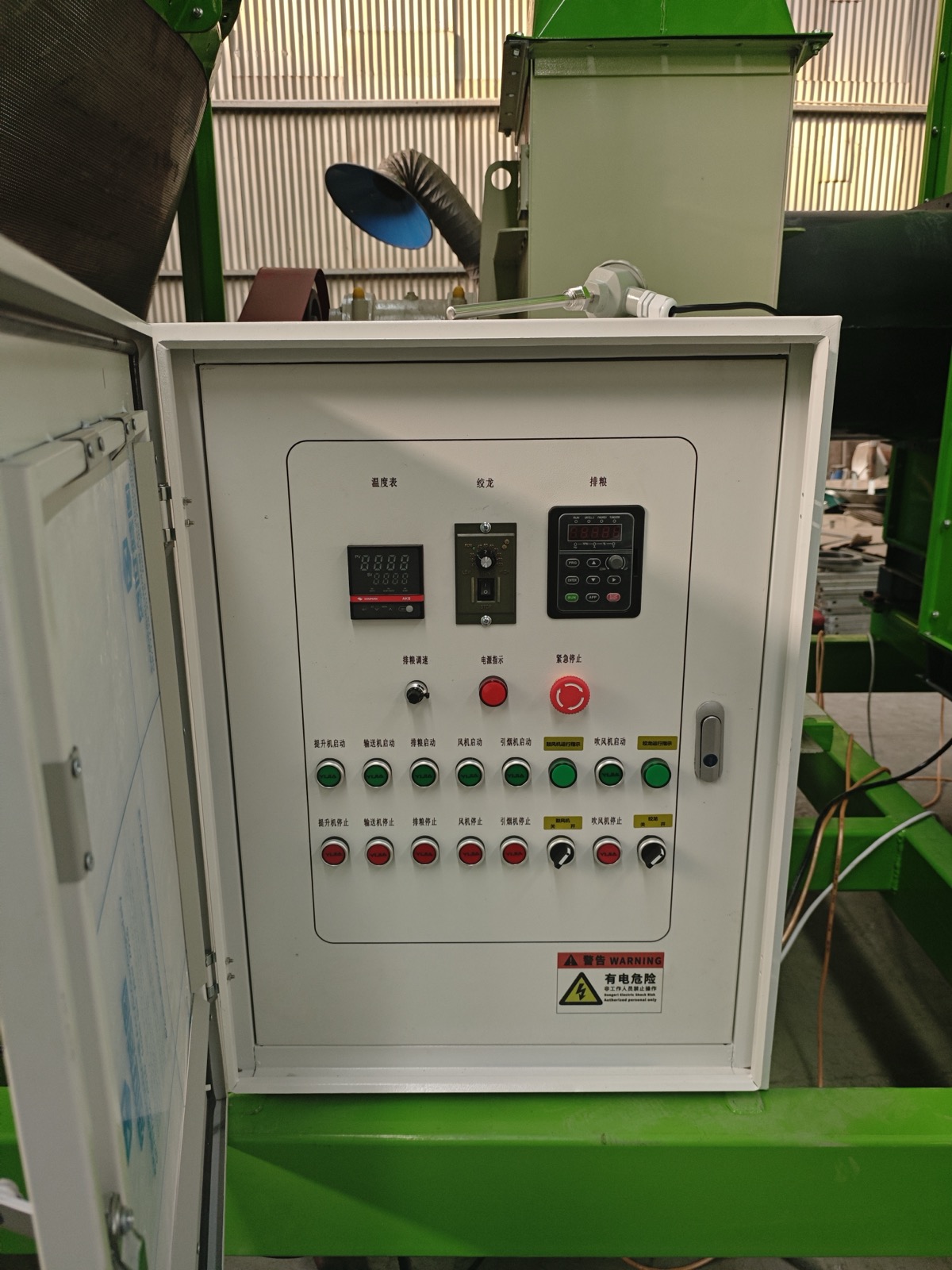
Low Breakage Rate
Cracking and breakage destroy grain value. GXON engineers every contact point, temperature curve, and moisture transition to keep kernels intact from hopper to discharge.
Gentle Handling, Gradual Drying, Uniform Moisture
Grain cracks when it experiences mechanical shock, thermal stress, or uneven moisture distribution. Our design addresses all three causes simultaneously.
- Low-speed elevation — bucket elevators run at reduced RPM with HDPE buckets, cutting impact at loading and discharge.
- Multi-stage tempering — alternating drying and resting periods let moisture migrate from kernel core to surface, preventing stress cracks.
- Low-temperature drying — controlled hot air (45–60°C for paddy, 80–110°C for maize) avoids heat-induced fissuring.
- Moisture gradient control — online sensors track inlet and outlet moisture, automatically adjusting residence time.
- Grain agitator — batch dryers use a slow-rotating agitator to turn grain gently, ensuring uniform exposure without abrasion.
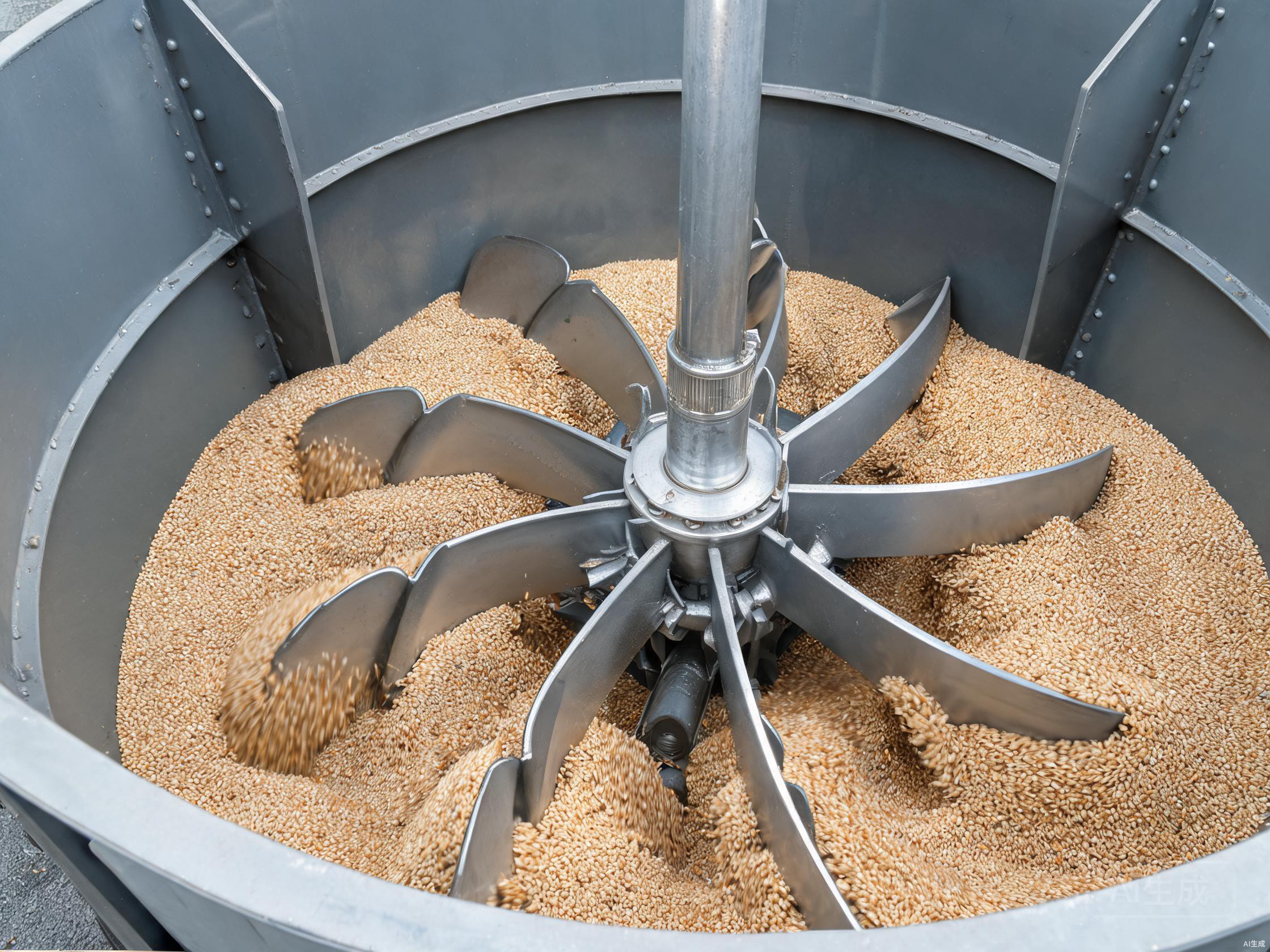
Multi-Fuel Heating System
Six dedicated burners, one indirect heat-exchange core, and a central controller that auto-tunes air-fuel ratio for whatever fuel is available at your site.
Dedicated Burner for Each Fuel, Coordinated by PLC
Every fuel burns differently — flame temperature, ash content, and combustion air demand all vary. We pair each fuel with a purpose-built burner and let the central PLC coordinate switching, ignition, and safety interlocks.
- Indirect heat exchange — combustion gas never touches grain; clean heated air is what enters the drying chamber.
- Auto fuel switching — PLC detects active burner and adjusts air damper, ignition sequence, and target temperature automatically.
- Safety interlocks — flame failure, over-temp, and low-air-pressure cutouts protect both grain and operator.
- Fuel cost hedging — switch to whichever fuel is cheapest locally: rice husk at harvest, diesel in remote sites, natural gas where piped.
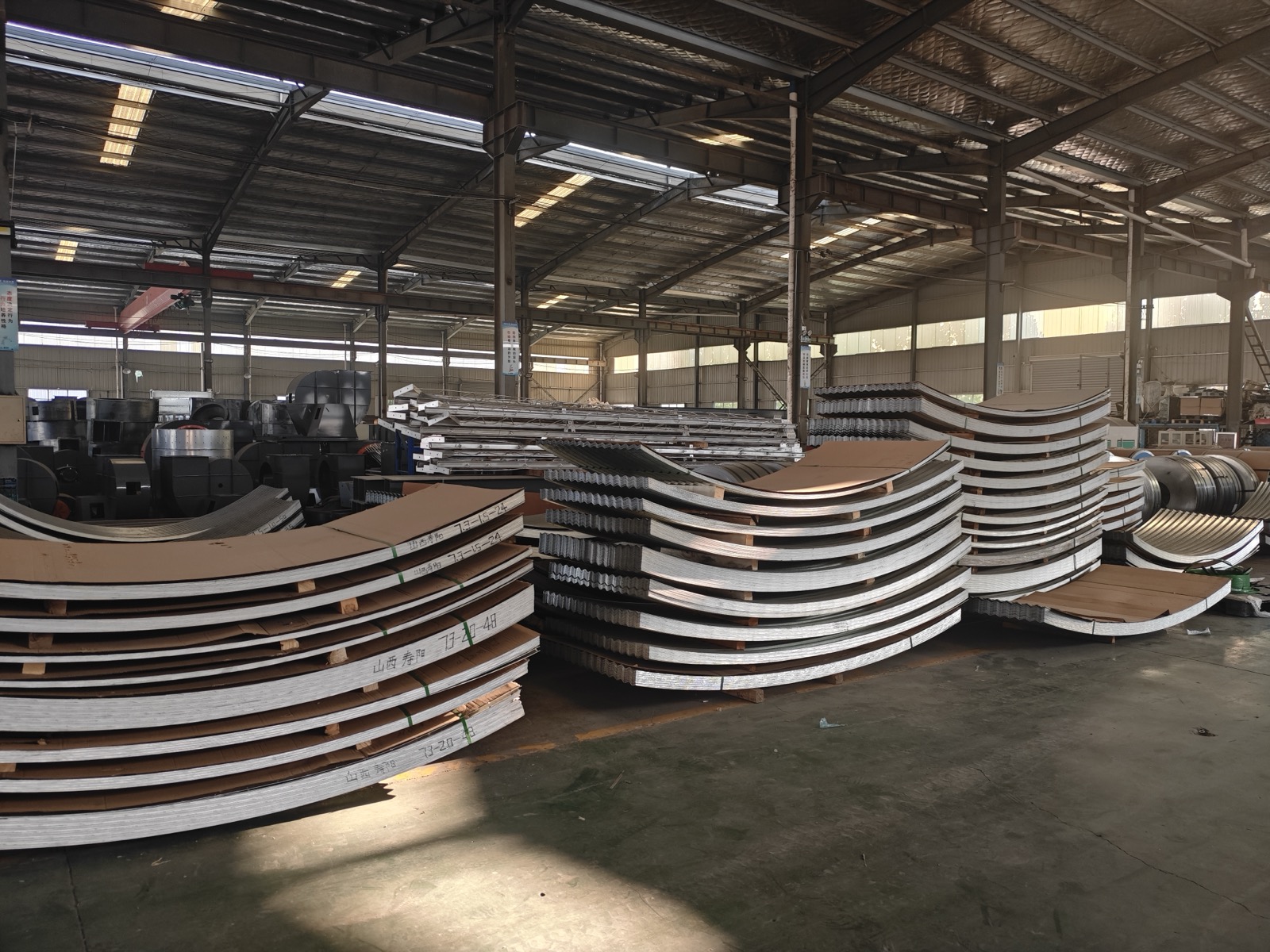
PLC Control System
One-touch startup, online moisture feedback, dual-loop temperature control, and 24-hour unattended operation — the control cabinet is where labor savings are engineered in.
Automation That Replaces the Operator
A traditional batch dryer needs one operator watching thermometers, turning valves, and grab-testing moisture. The GXON PLC does all of that — and keeps running through the night.
- One-touch startup — pre-loaded crop programs set temperature, residence time, and cycle count automatically.
- Online moisture monitoring — capacitive sensors at inlet and outlet feed real-time moisture to the PLC; the dryer shuts down automatically when target moisture is reached.
- Dual-loop temperature control — PID controllers manage both air temperature and grain temperature independently to protect quality.
- Fault detection — 50+ fault codes cover burner failure, motor overload, belt slip, and high grain temperature, with remote diagnostics via mobile app.
- Data logging — every cycle's drying curve, energy use, and moisture delta is stored for traceability and optimization.
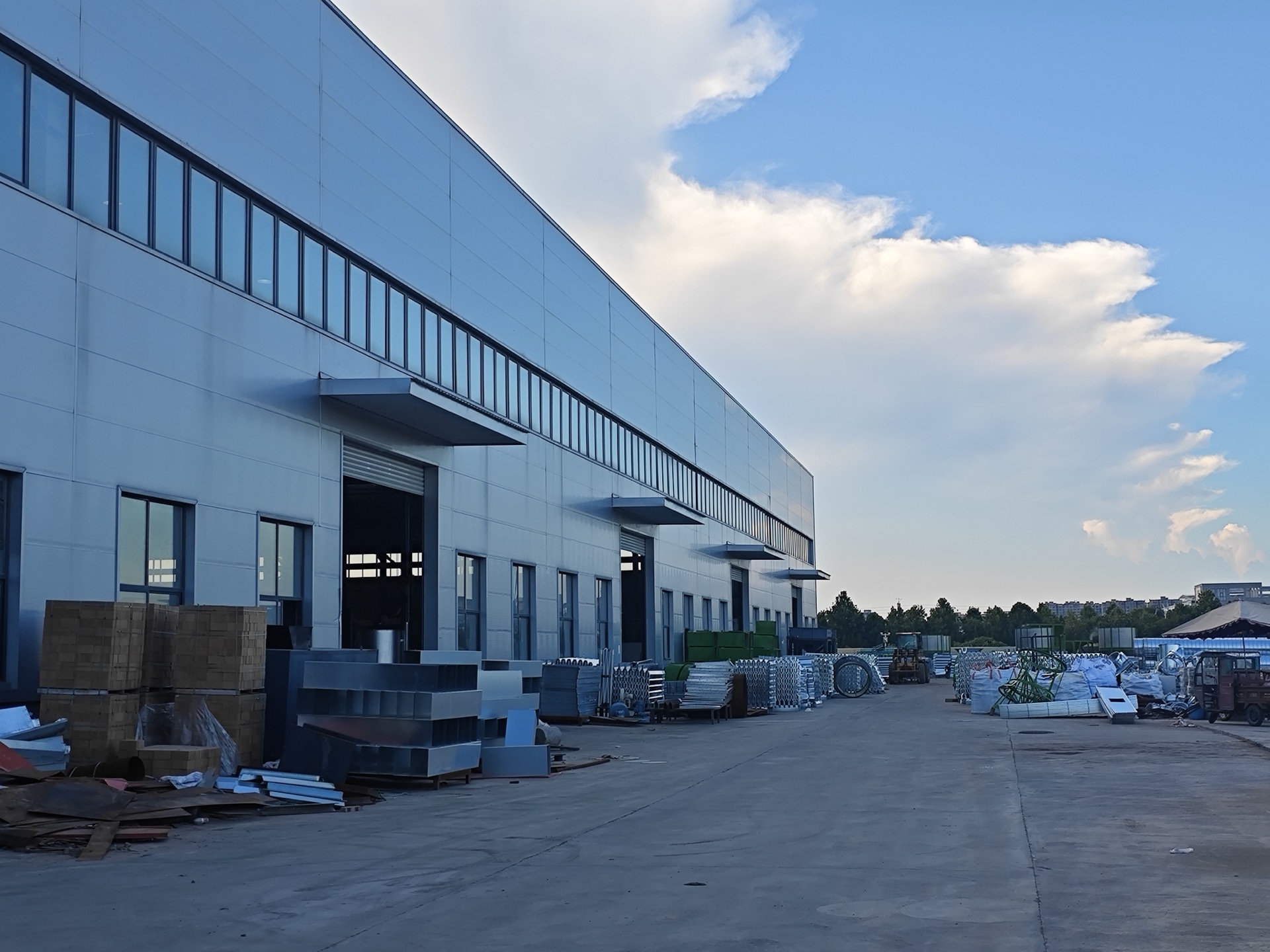
Adapted to Any Work Environment
From 50°C tropical harvests to -20°C winter storage, from monsoon humidity to desert dust — GXON dryers are engineered to start, run, and last wherever grain is harvested.
Built for the Conditions at Your Site
Standard dryers fail in extreme climates — electronics overheat, fuel lines freeze, dust shorts sensors. We design for the worst case so your harvest window is never lost.
- High-temperature operation — electrical cabinet includes air conditioning; sensors and wiring rated to 85°C ambient.
- Cold-start capability — fuel pre-heater, crankcase heater, and glow-plug ignition enable reliable start at -20°C.
- High-humidity protection — IP65 sealed cabinet, conformal-coated PCBs, and dehumidifier option for monsoon regions.
- Dust management — cyclone pre-filter on intake air, sealed bearings, and cleanout ports on every air duct.
- Outdoor enclosure — galvanized steel frame, powder-coated panels, and optional rain canopy for field deployment.
High Heat (up to 50°C)
Cabinet AC, high-temp sensors, and oversized cooling fans keep electronics within spec in tropical harvest conditions.
Cold (down to -20°C)
Fuel pre-heater, crankcase heater, and glow-plug ignition deliver reliable cold-start for winter wheat and storage drying.
High Humidity (Monsoon)
IP65 cabinet sealing, conformal-coated PCBs, and dehumidifier option prevent short circuits in 90%+ RH environments.
Dust & Particulate
Cyclone pre-filter, sealed bearings, and cleanout ports on all ducts keep abrasive dust out of motors and sensors.
High Drying Efficiency
Counter-flow heat exchange, staged drying, exhaust heat recovery, and uniform high-volume airflow — engineered to dry more grain per hour without raising temperature or risking quality.
Engineering Levers for Higher Efficiency
Efficiency is not "dry hotter" — that cracks grain. Real efficiency comes from better heat transfer, less waste heat, and smarter staging.
- Counter-flow heat exchange — hot air and grain move in opposite directions, maintaining a constant temperature delta across the whole drying column for maximum heat transfer.
- Staged drying — four phases (pre-heat → main dry → temper → cool) optimize energy use at each stage of the moisture curve.
- Exhaust heat recovery — warm exhaust air pre-heats incoming fresh air, cutting fuel consumption by 15–20%.
- High-volume uniform airflow — pressured plenum and perforated grain columns ensure every kernel sees the same air velocity, eliminating wet spots.
- Thin-layer drying — continuous tower design uses thin grain columns (200–300mm) to reduce airflow resistance and speed moisture removal.
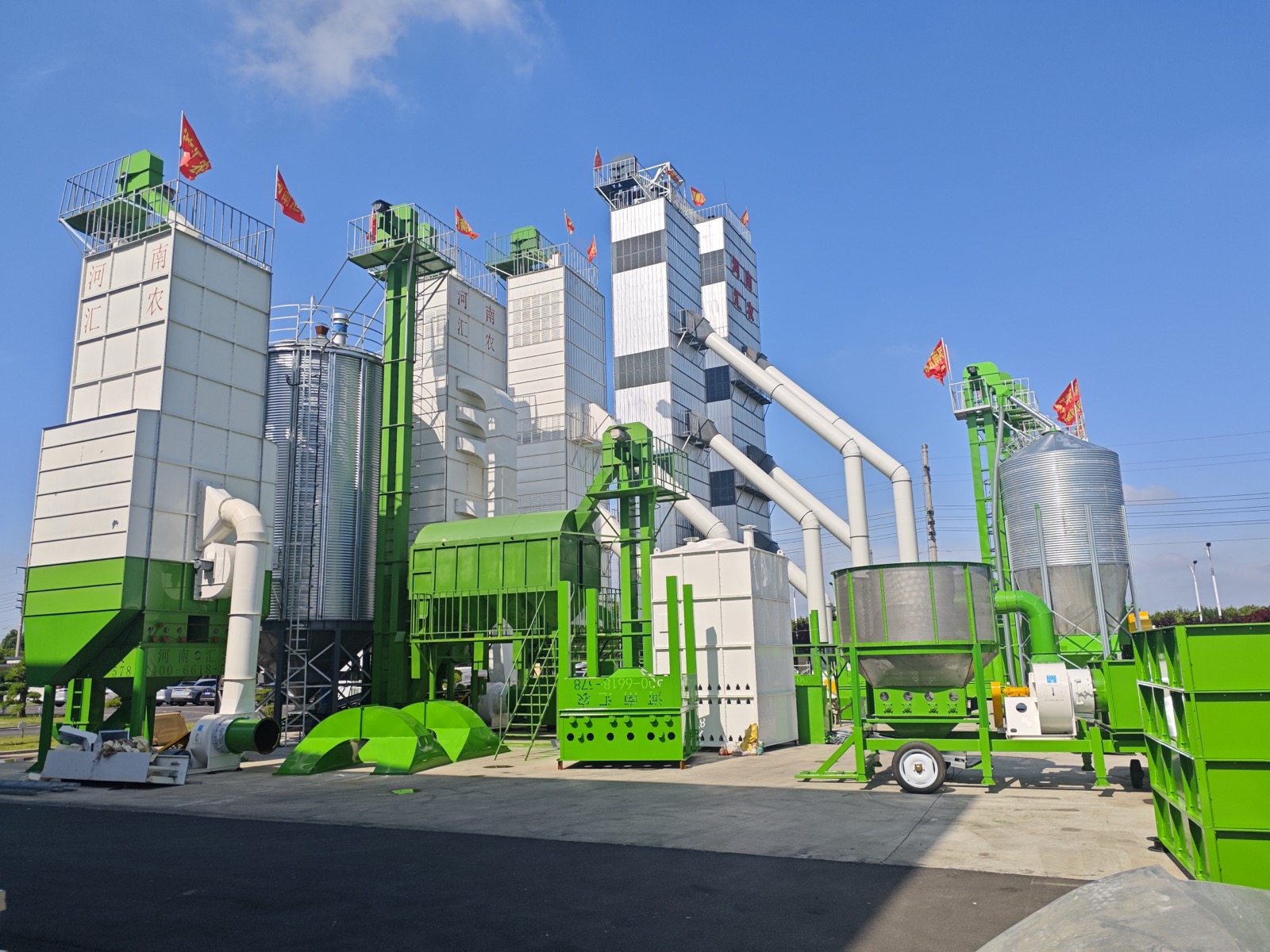
Want the Full Engineering Brief?
Our engineers can walk you through how each technology applies to your crop, climate, and capacity.